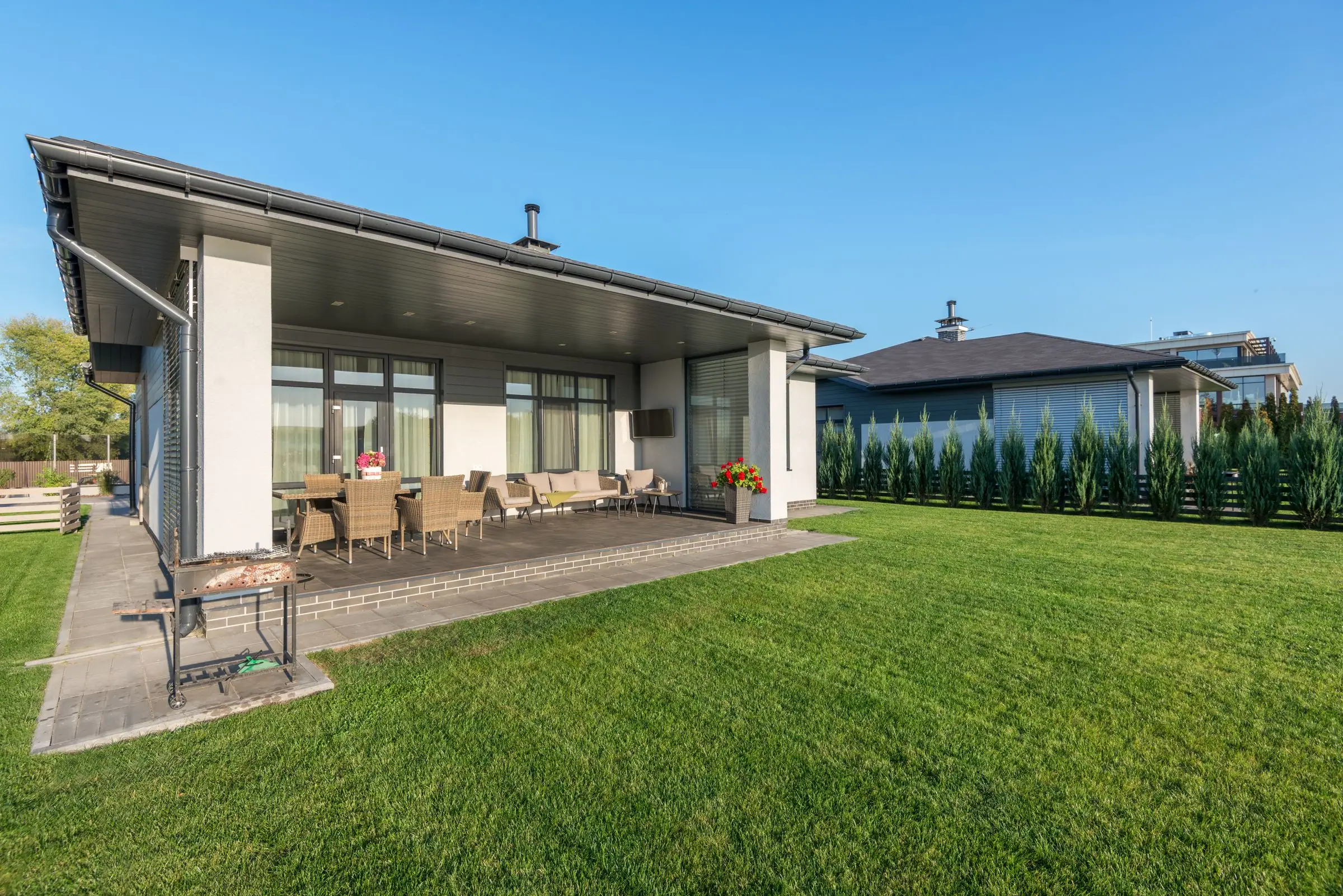
Artificial grass in Buckeye, matched to your yard.
Tell us about the yard and we pass it to a licensed local installer who measures it, explains the base and drainage, and sends a written quote. The match is free.
Why the details under the turf decide the result
Residential artificial grass installation is the most common request matched through Buckeye Turf Pros, and it is also the job where the details under the surface matter most. A homeowner usually starts with a back yard that is hard to keep green, a patch of lawn that gets more use than the rest of the yard, or a whole area that has become a watering and mowing burden. The matched installer looks at that yard as a whole, not as a square footage number, and talks through what the surface needs to do every day.
Start with the base
The base is the first question. Old grass and topsoil come out, the ground is graded, and a compacted aggregate base goes in. That base gives the turf a firm, even surface, helps water drain, and keeps the turf from settling into soft spots. A base that is too thin or poorly compacted will show up later as dips, wrinkles, or areas that hold water. Ask the matched installer what base material will be used, how deep it will be, and how it will be compacted, and get those items in the written scope.
Drainage, even in a dry town
Drainage is the second question, and it matters in Buckeye even though rain is infrequent. When rain does come, it can come hard, and a yard that is graded badly will send water toward the house, a wall, or a neighbor. The installer should explain where water will go after the turf is in, and whether the existing grade needs to change. A turf surface does not fix a drainage problem on its own, and in some yards drainage work is part of the job rather than an extra.
Choosing the turf
Product choice is the third question. Turf products differ in pile height, fiber shape, face weight, and backing. A taller, softer product can feel good underfoot for a sitting area, while a shorter, denser product can suit a high traffic path. Colour, blade shape, and thatch layer change how natural the surface looks from the street and from a patio chair. The matched installer can show samples on site, in the light of that yard, which is far more useful than a photo on a screen.
Edges and seams
Edges and seams are where a good job shows. Turf should be secured against walks, driveways, walls, and planting beds, with seams joined so they are not visible from standing height. A loose edge will lift, curl, or let a dog or a mower catch it, and a visible seam will draw the eye every time the yard is used. Ask how edges will be secured and how seams will be joined, and look at those details in the written scope before agreeing a price.
Care after it goes in
Care after installation is lighter than lawn care, but it is not absent. Leaves and dust should be cleared, infill should be checked now and then, and the surface should be rinsed when dust builds up. Pet areas need more frequent rinsing. A stiff brush can lift fibers that have been flattened by furniture or foot traffic. The matched installer can explain the care routine for the product chosen, and that routine should be part of the handover, not an afterthought.
Yards like yours
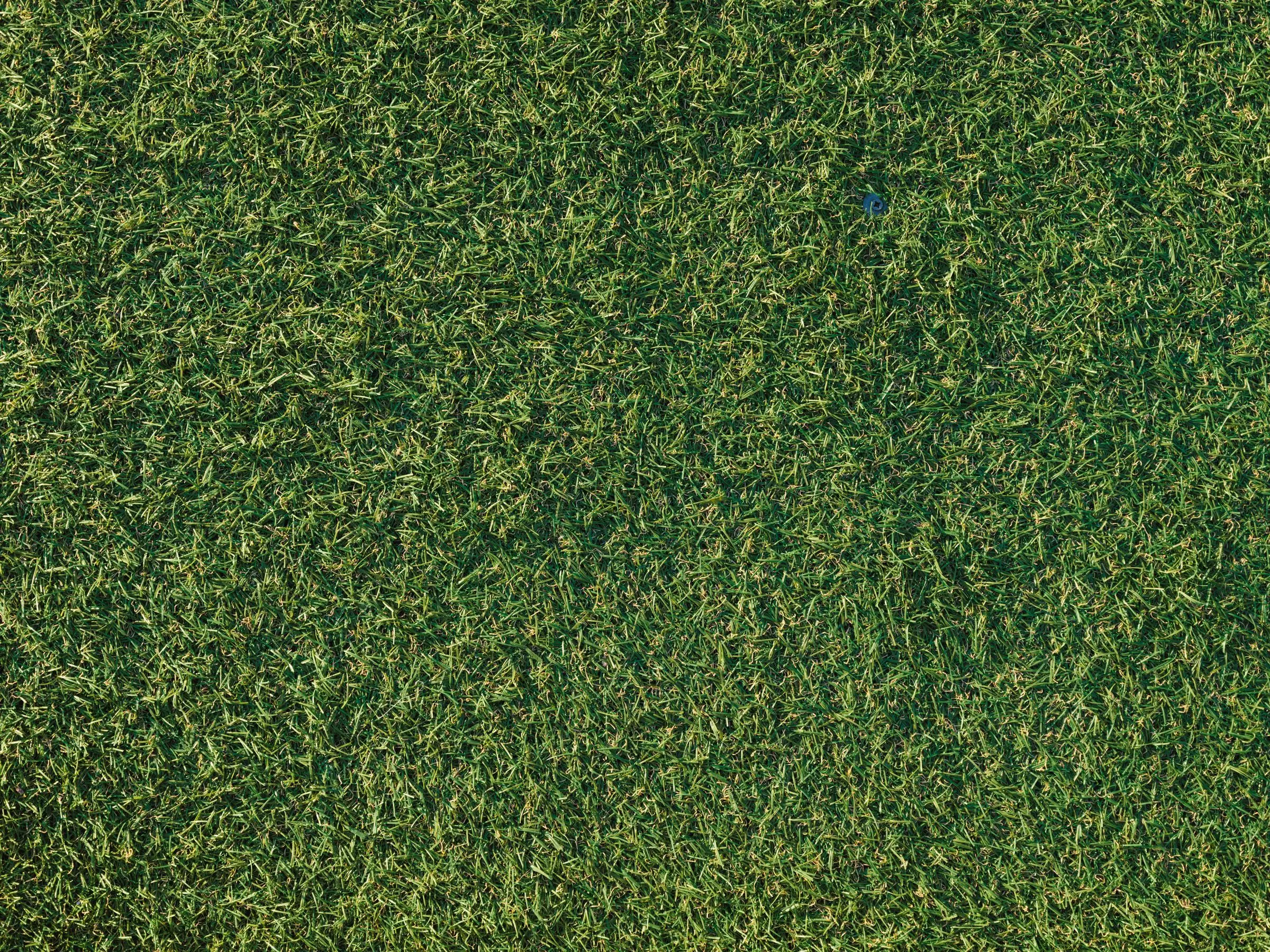
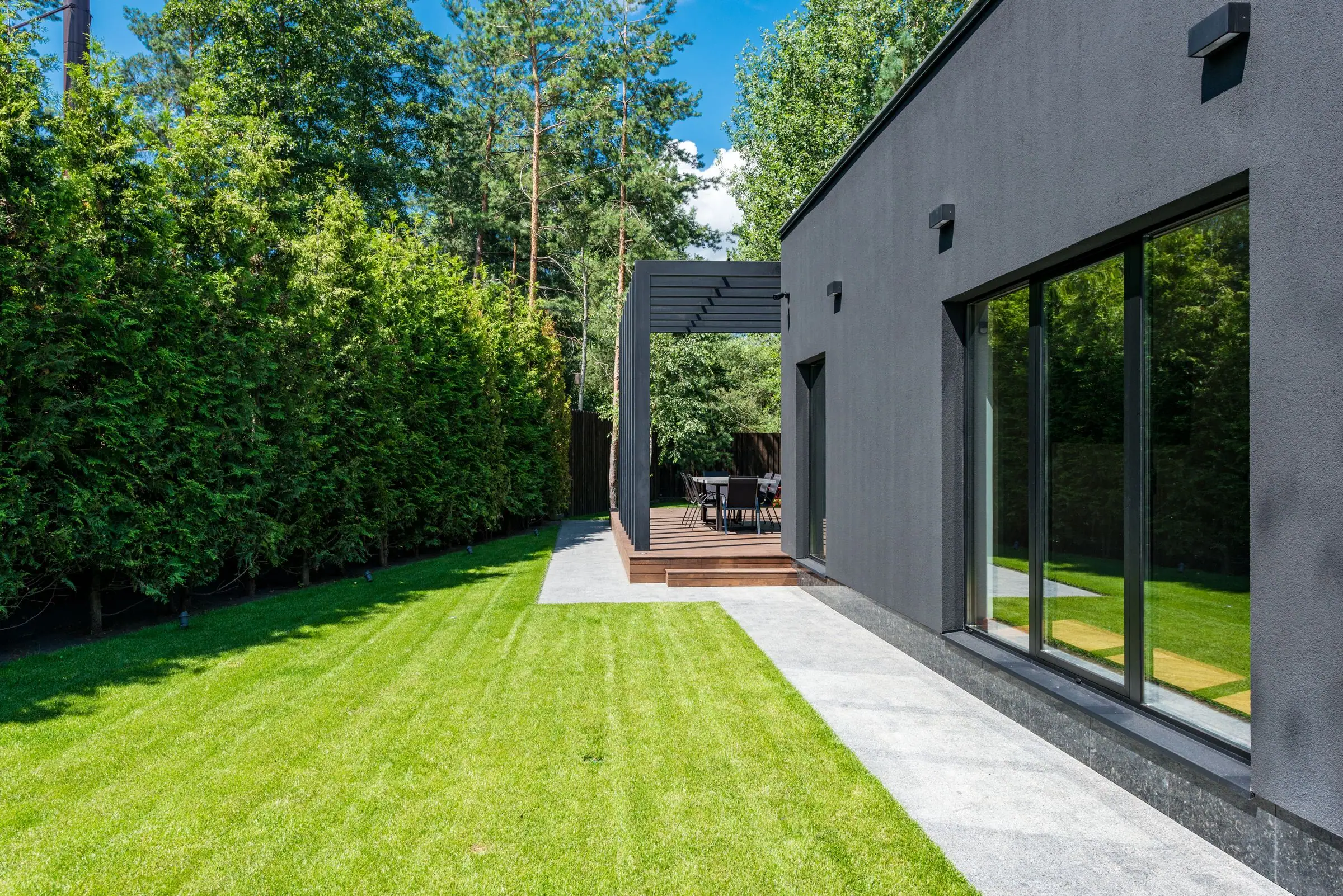
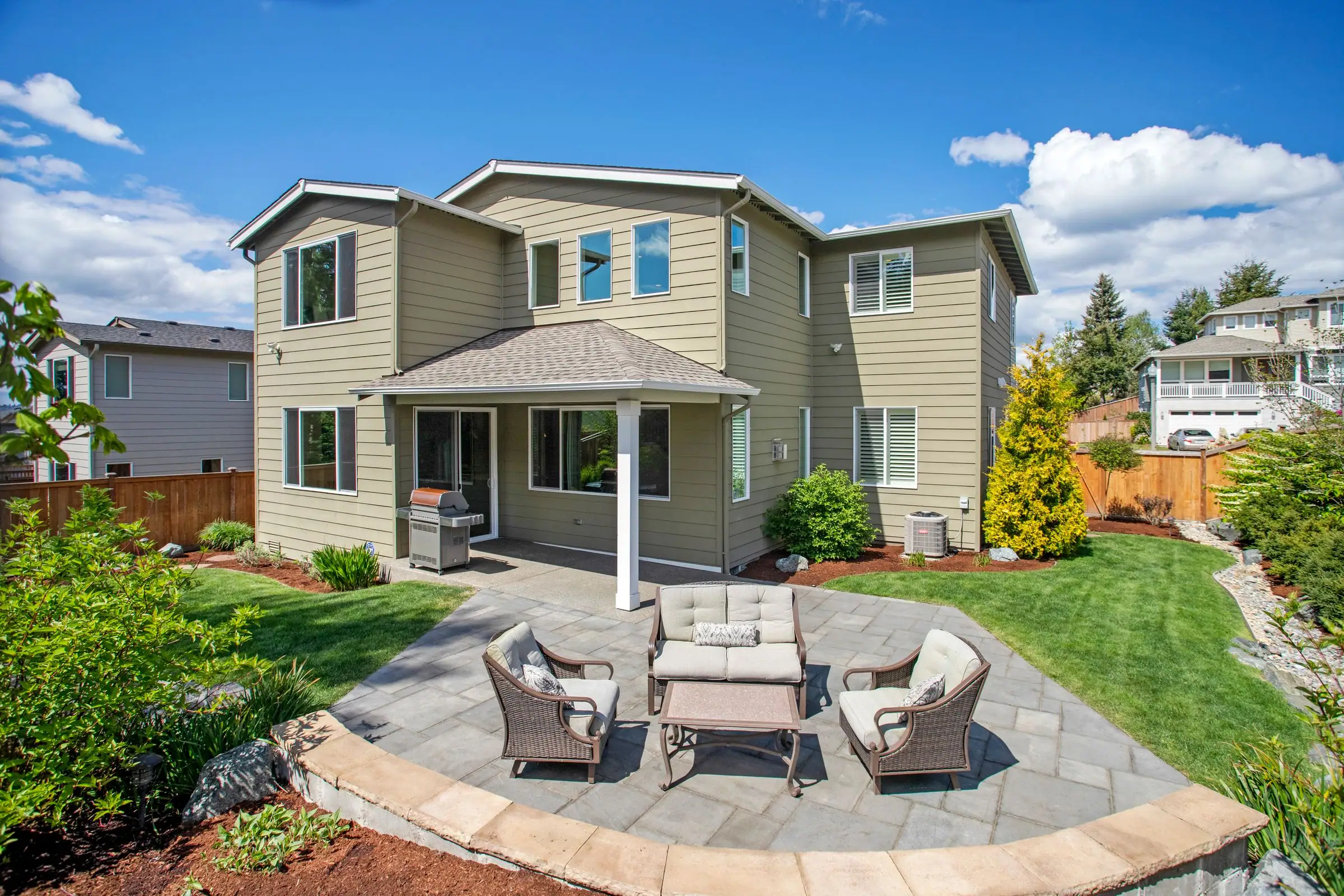
Stock photos for ideas only. They are not jobs by a matched installer.
Questions about artificial grass
What homeowners usually ask before getting matched with an installer. Can’t find your answer? Call and ask.
How long does a residential turf job take?
Most residential lawn areas take one to three days of site work once the job starts, depending on size, access, and base work. Larger areas, difficult access, tree roots, or drainage changes can add time. The matched installer gives a timeline for the actual yard after measuring it.
Will turf look natural?
Modern turf looks far more natural than early synthetic grass, especially with varied blade colours and a thatch layer, but it is still a manufactured surface and it reads as such up close. Samples viewed in the yard, in daylight, give a better sense of the look than a catalogue photo.
Does turf need watering?
Turf needs no watering to stay green, but a rinse helps with dust, pet areas, and heat on hot days. That rinse is occasional care, not a watering schedule, and it uses far less water than keeping a natural lawn alive through a Buckeye summer.
What happens to my sprinklers?
Sprinklers in the turfed area are usually capped or rerouted, and irrigation for nearby planting beds is kept separate. The matched installer should explain what happens to each line in the area, so beds and trees are not left without water.
Can turf be installed over my existing lawn?
No, a sound job removes the existing lawn and topsoil first, then builds a compacted base. Turf laid over a living lawn traps moisture, settles unevenly, and fails early. Base work is what separates a lasting surface from a short lived one.
Often done together
We match artificial grass requests across Buckeye and nearby West Valley towns.
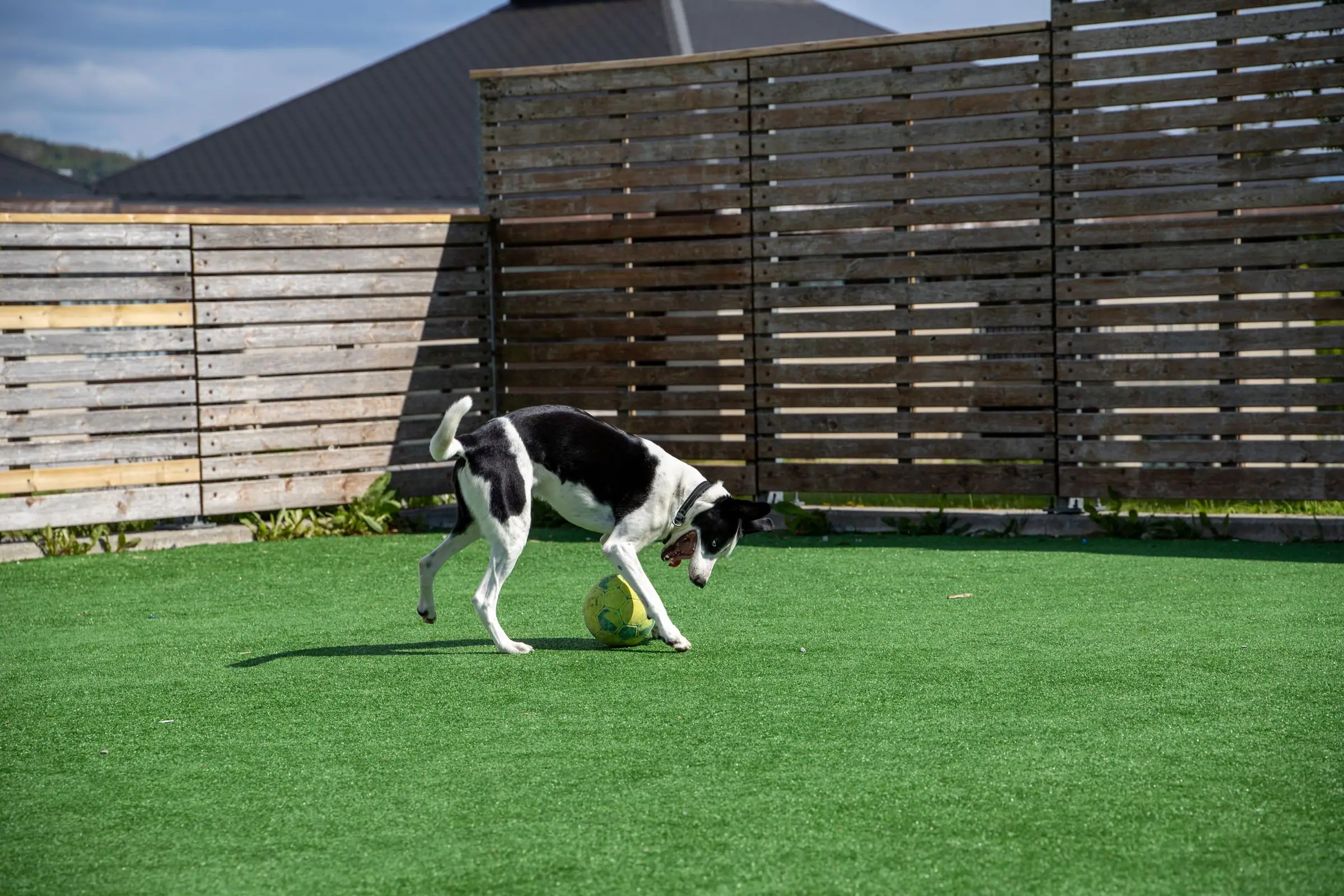
Pet turf
Turf, backing and infill chosen for dogs, with drainage that lets urine pass through and rinse away.
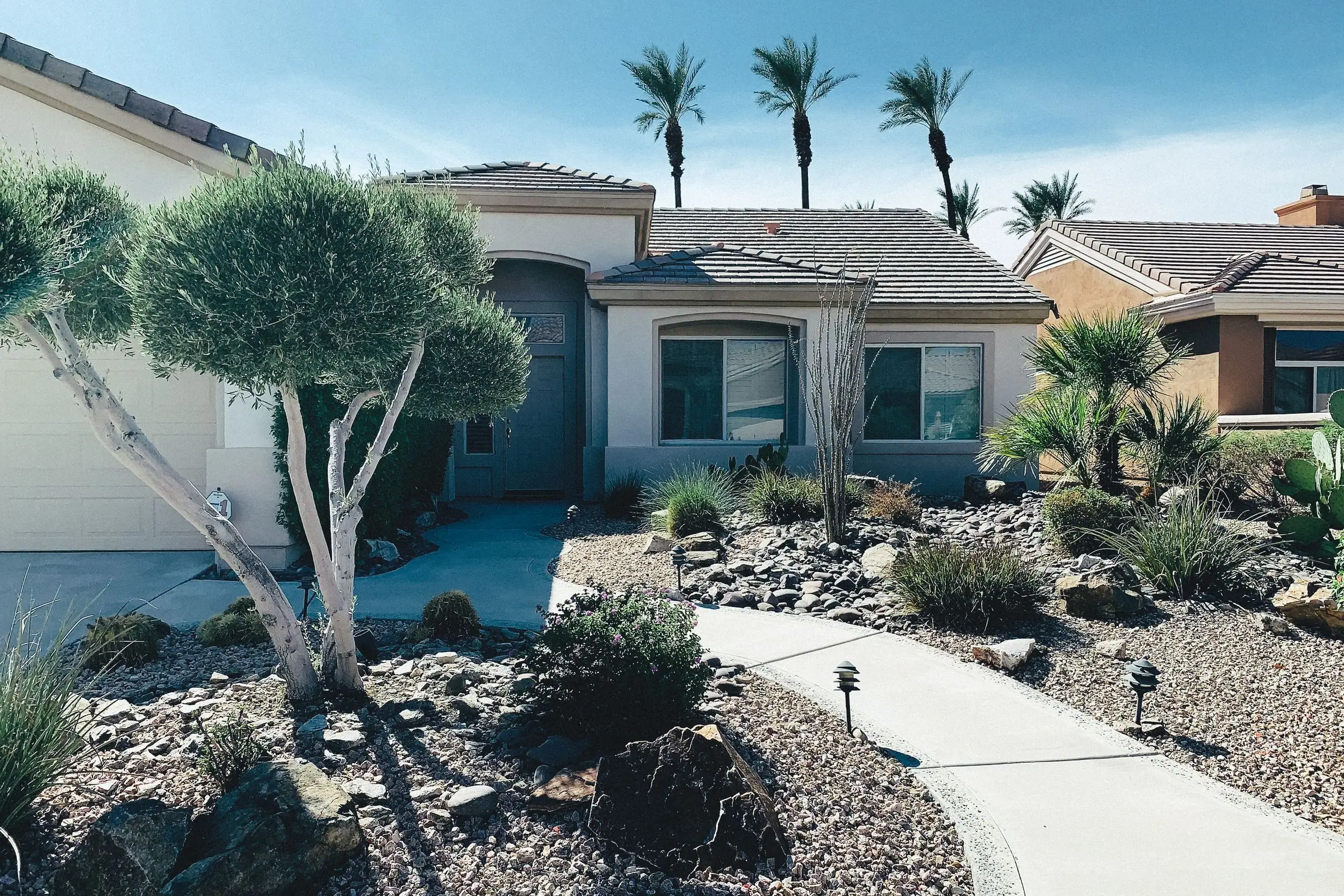
Front yards
A tidy, green front yard with clean edges at the walk and driveway, and no watering schedule.
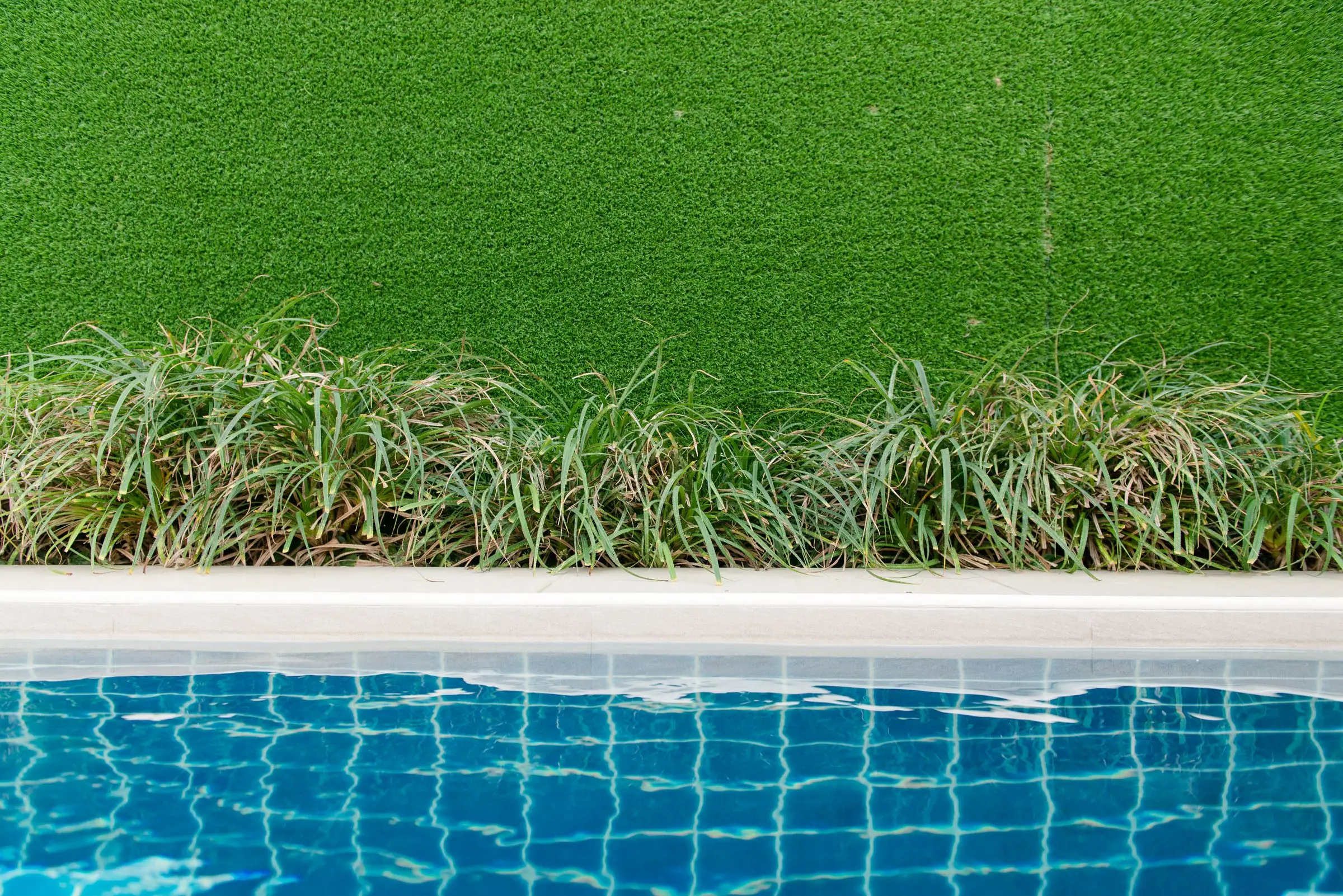
Pool turf
Turf around a pool deck chosen for wet feet, drainage away from the water and clean edges at the coping.
Get matched for artificial grass
Tell us about the yard and a licensed local installer will call you to set up a visit. Or call (000) 000-0000.
Get a quote
Your request goes to a licensed local installer, who calls you to set up a visit. The match is free.
Request sent
Your request is in. A licensed local installer will call you to set up a visit.
Want to talk now? Call or text (000) 000-0000.