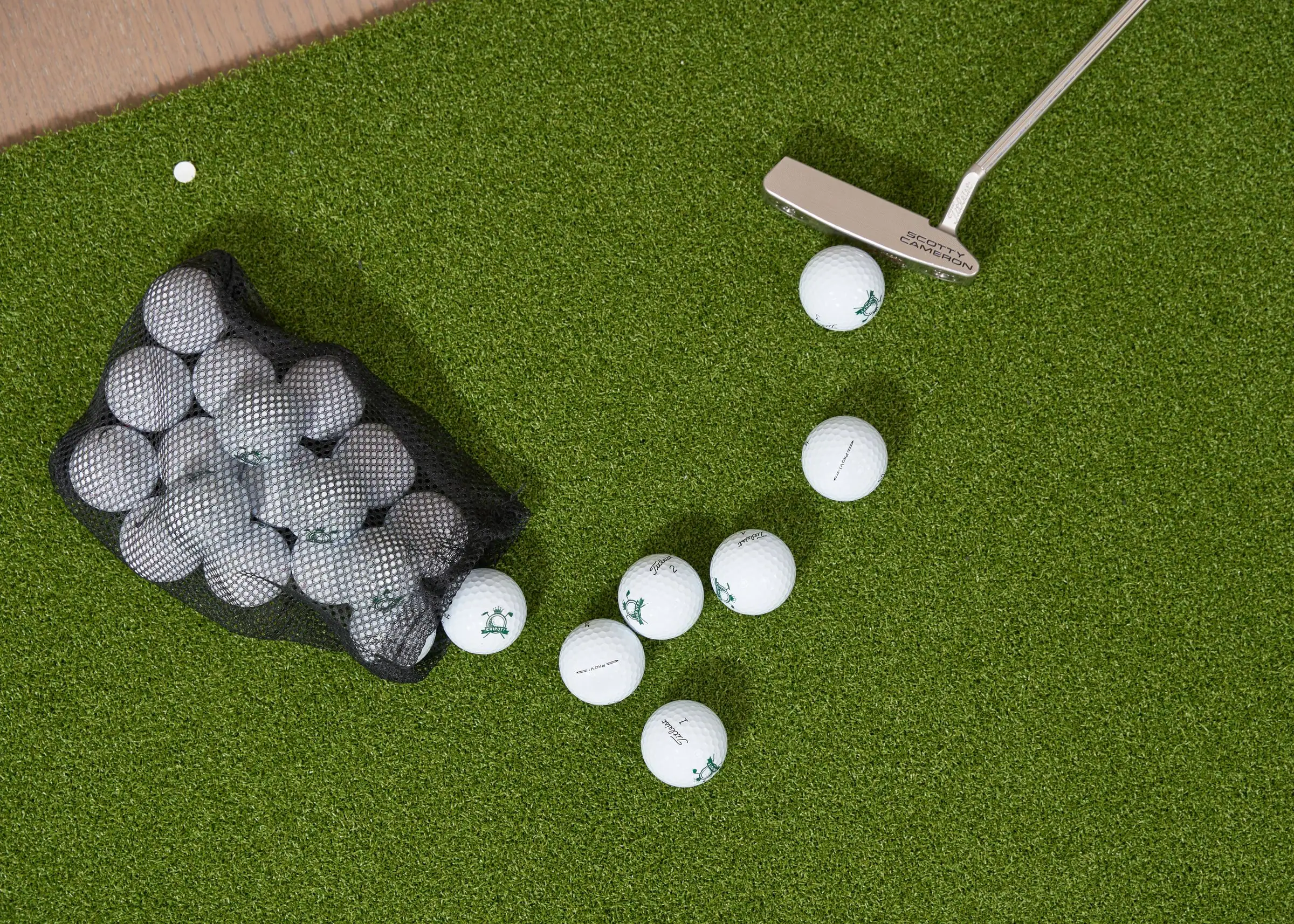
Backyard putting greens in Buckeye, rolling true.
A putting green needs short, dense turf, a shaped base and the right infill rate. Tell us the space and we match you with a licensed local installer who builds greens.
A green is not a lawn
A backyard putting green is a different job from a lawn, even though both use artificial turf. A lawn is judged by how it looks and feels underfoot. A putting green is judged by how a ball rolls, how it holds a line, and how it responds to putts of different lengths. That difference drives the product, the base, the infill, and the price, and it is why a putting green should not be quoted as a lawn with cups added.
The right surface
The turf for a putting green is short and dense, with no grain direction that would push a ball off line. The base is built to hold a true, even surface, and contouring is added deliberately, with breaks and slopes that match the golfer's practice goals. Cups, fringe, and sometimes a sand trap area are part of the design. A green that is flat and featureless will practice only straight putts, while a green with thoughtful contouring will practice reads, speed, and distance control.
Why the infill rate matters
Infill rate is critical for a putting green. A heavier infill rate, often around two pounds per square foot of silica sand in published guides, gives the ball roll consistency that a lawn infill rate will not. Too little infill and the ball will bounce or slow unevenly. Too much and the surface can feel hard or slow. The matched installer should explain the infill type and rate for the green, and how that rate relates to the speed the golfer wants.
Size changes the feel and the price
Size changes the feel and the price. Most home putting greens fall between 300 and 800 square feet, though smaller practice areas and larger greens are both common. Small greens cost more per square foot, because cups, contouring, and setup do not shrink with the job. A larger green spreads those fixed costs over more area, but it also needs more base work and more fringe. The matched installer can talk through size against the yard, the budget, and the practice goals before any work starts.
Shade, drainage and what surrounds it
Shade, drainage, and surroundings matter for a green as well. A green under a tree will collect leaves and need clearing, and a green in a low spot will hold water after rain. Fringe turf around the green gives a natural transition to the rest of the yard and a place to practice chips. The matched installer should look at the whole area, not just the green itself, and explain how the green will sit in the yard.
Keeping it rolling true
Care for a putting green is light but regular. Brushing keeps fibers upright and the roll consistent, debris should be cleared, and infill levels should be checked now and then. A green that is brushed and kept clear will roll true far longer than a green that is left to collect leaves and dust. The matched installer can explain the care routine for the product and infill chosen, and that routine is worth following if the green is meant for serious practice.
Yards like yours
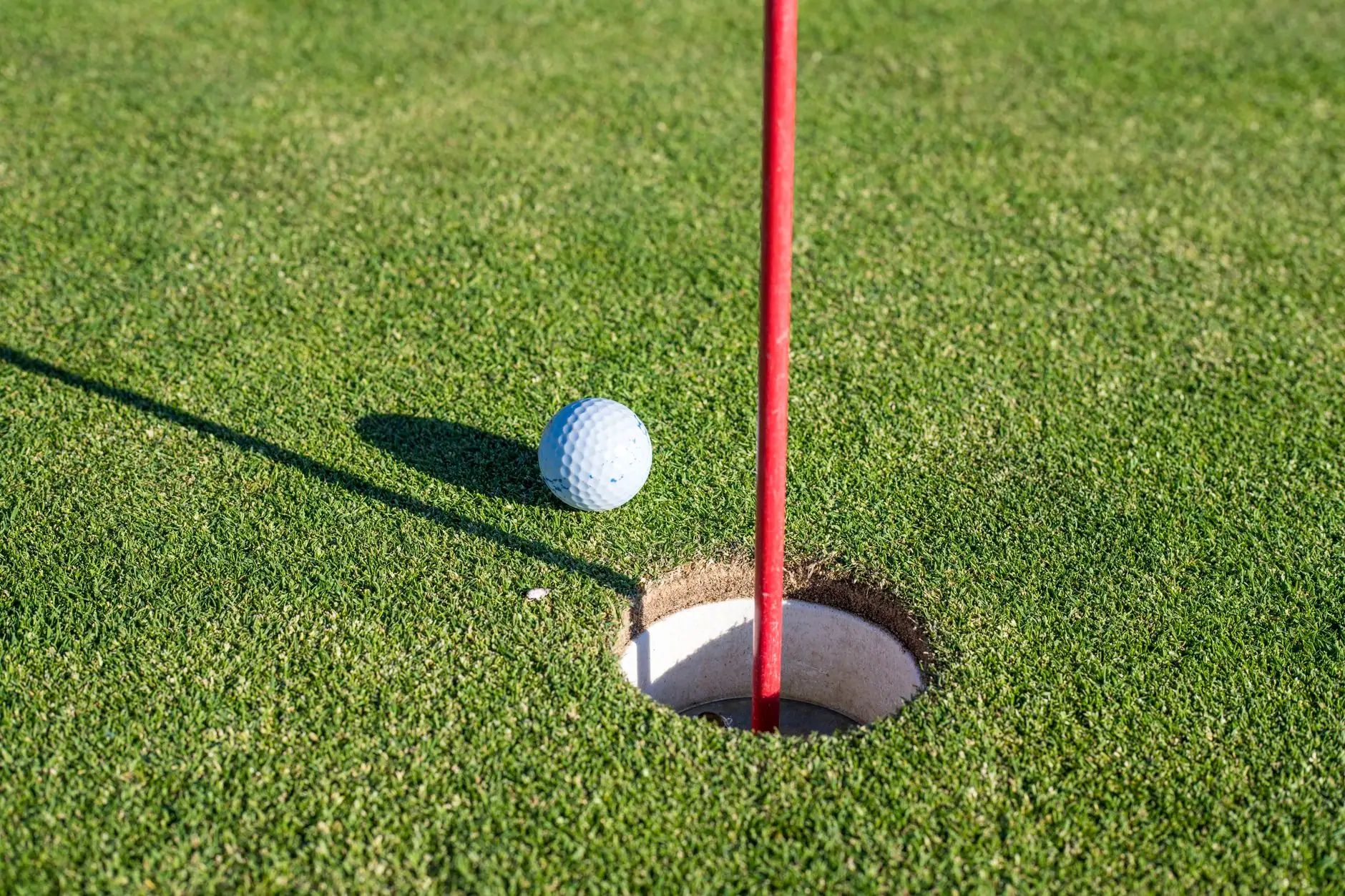
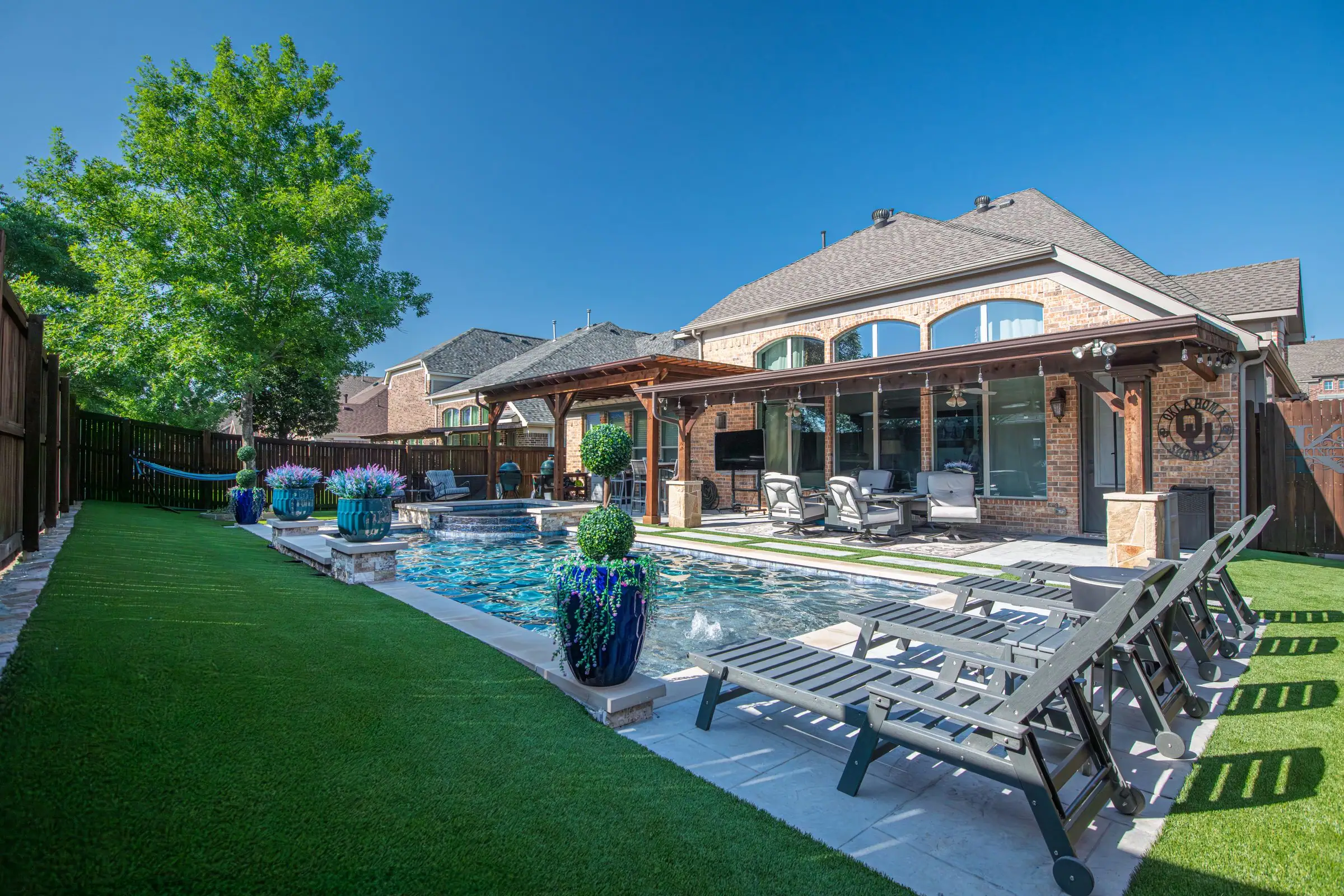
Stock photos for ideas only. They are not jobs by a matched installer.
Questions about putting greens
What homeowners usually ask before getting matched with an installer. Can’t find your answer? Call and ask.
How much does a putting green cost?
Published ranges for professionally installed putting greens often sit between $11 and $30 per square foot, with other guides giving $15 to $25 per square foot. A 500 square foot green is often quoted between $5,500 and $15,000 in published guides. The cost guide page lists the sources, and a matched installer quotes the actual green after measuring it.
How big should a home putting green be?
Most home greens fall between 300 and 800 square feet, which gives room for multiple cups and some contouring without taking over the yard. Smaller greens suit a narrow side yard, while larger greens suit a golfer who wants longer putts and more breaks.
Can a putting green handle chips as well as putts?
A green with fringe turf around it can handle short chips, while a green on its own is mainly for putting. Tell the matched installer how the green will be used, because fringe, contouring, and the surrounding surface change with that answer.
Does a putting green get hot?
Yes, like other turf, a putting green in direct sun gets hot, so afternoon shade and a rinse help. Most golfers use a home green in the morning and evening, when heat is less of an issue, and a shaded spot makes the green usable for longer each day.
How long does a putting green last?
A well built putting green with proper base work and basic care can last many years, with published guides often citing 10 to 15 years or more. Base work, infill care, and clearing debris are what protect that lifespan.
Often done together
We match putting green requests across Buckeye and nearby West Valley towns.
Artificial grass
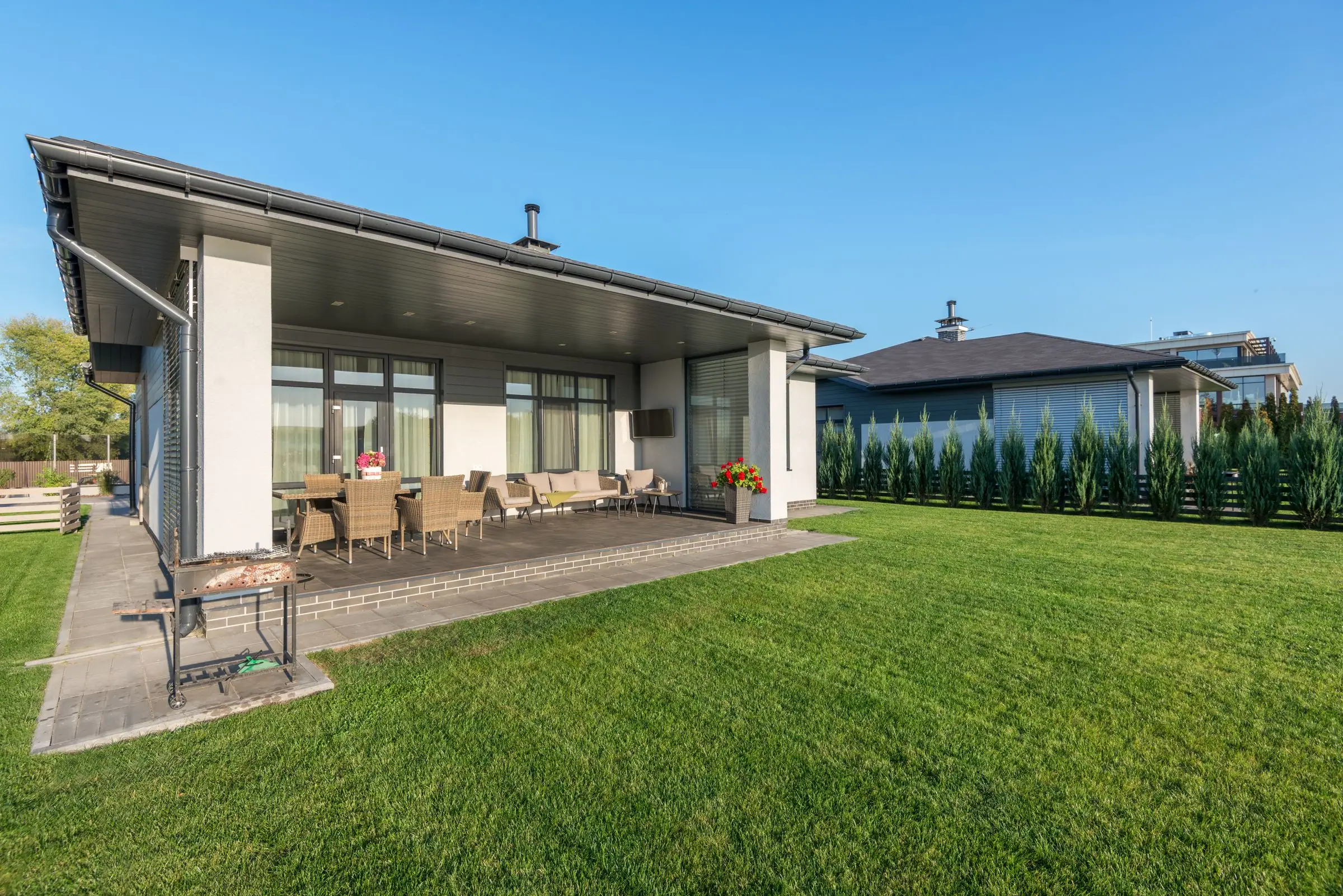
A full lawn swap for a back or front yard, with the base, drainage and infill chosen for that yard.
Play areas
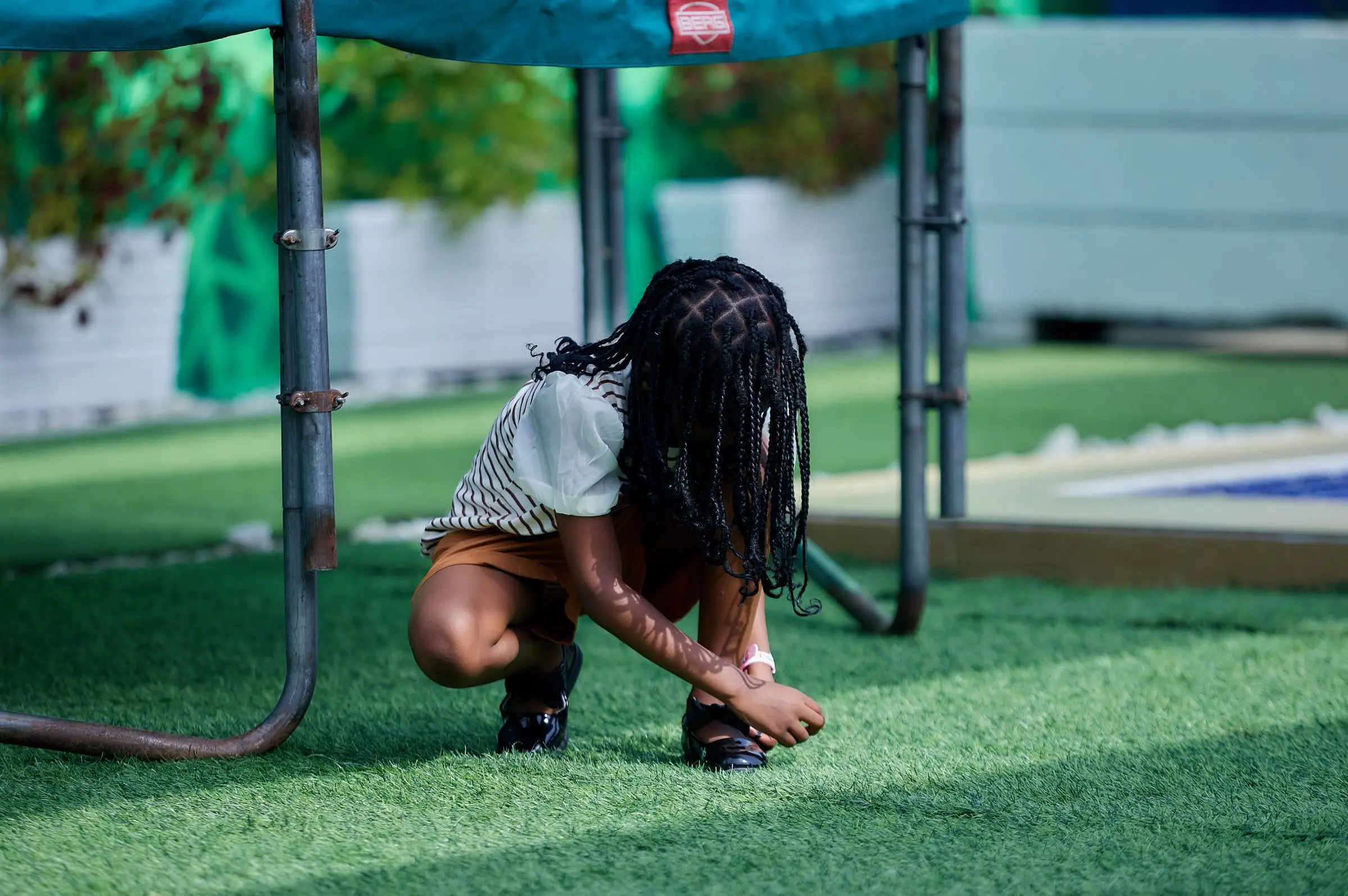
A soft, even surface for play, planned around shade, fall zones and the equipment on it.
Pool turf
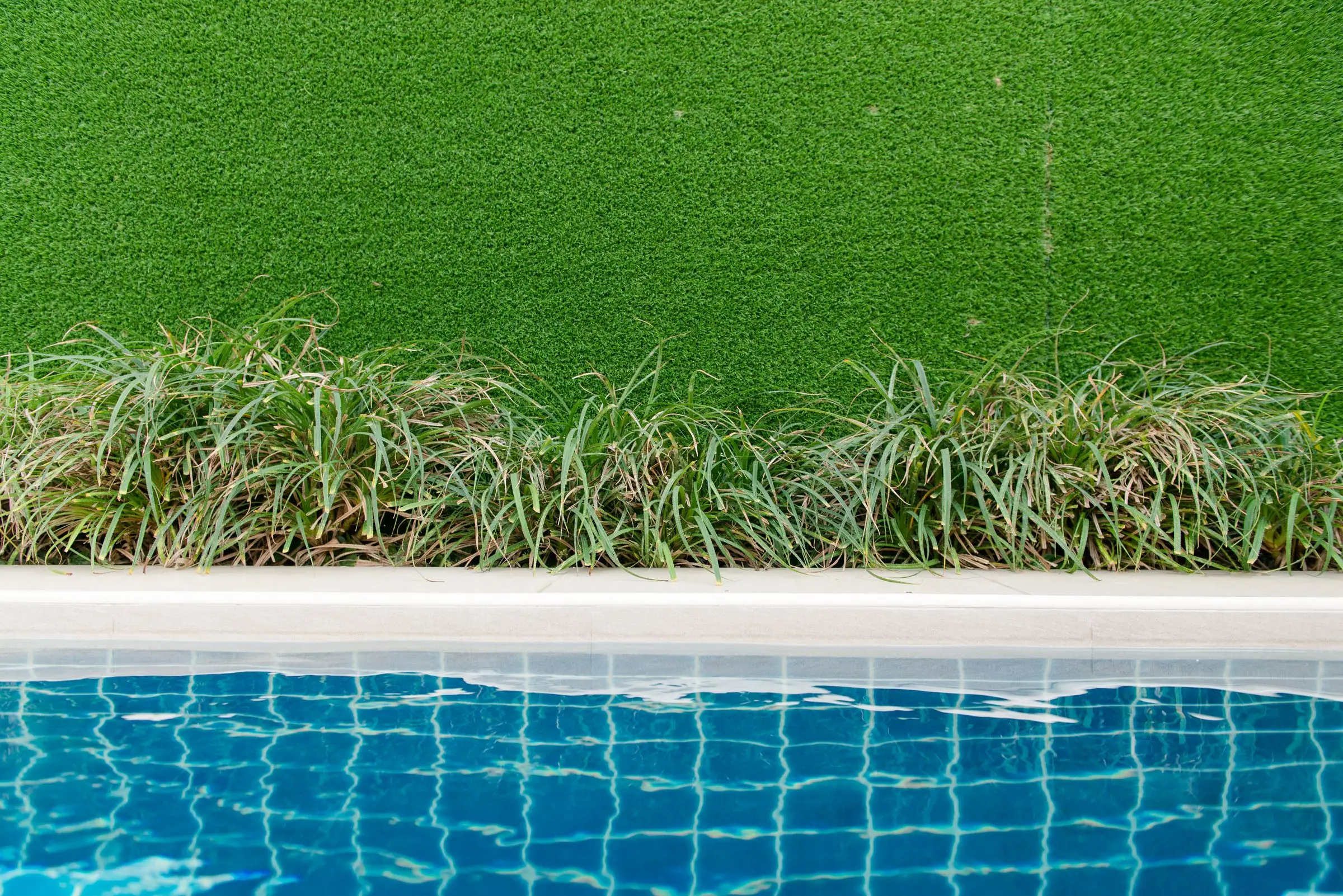
Turf around a pool deck chosen for wet feet, drainage away from the water and clean edges at the coping.
Get matched for putting green
Tell us about the yard and a licensed local installer will call you to set up a visit. Or call (000) 000-0000.
Get a quote
Your request goes to a licensed local installer, who calls you to set up a visit. The match is free.
Request sent
Your request is in. A licensed local installer will call you to set up a visit.
Want to talk now? Call or text (000) 000-0000.